Human brain organoids to investigate HIV infection and accelerate cure
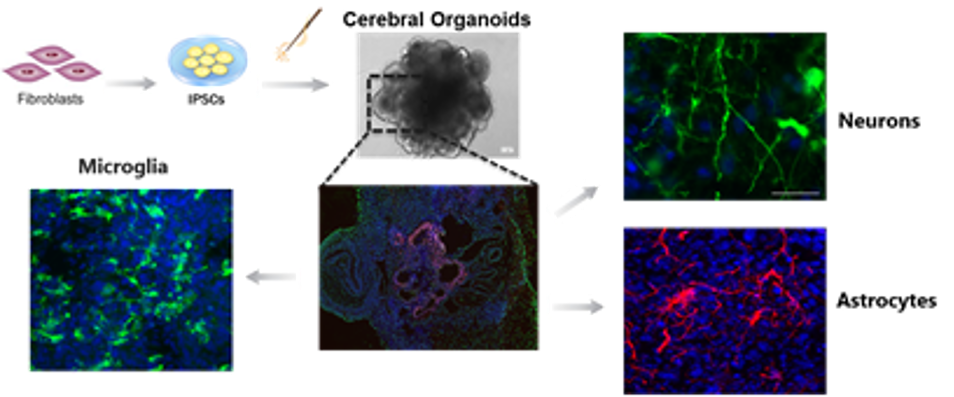
University Medical Center Utrecht and Single Cell Discoveries will together evaluate the use of our novel human brain organoid model as an alternative to post-mortem human brain tissue in the investigation of HIV infection, persistence and cure.
Globally 38 million people are estimated to be living with HIV and need access to daily therapy. Implementation of antiretroviral therapy resulted in effective suppression of viral replication but does not cure HIV that can persist in cellular and anatomical reservoirs. The role of the central nervous system (CNS) as a viral reservoir is still debated and an important reason for this knowledge gap is related to the inherent difficulties associated with (post-mortem) sampling of this unique tissue compartment and lack of a clinically relevant model system.
We found intact HIV DNA in the immune cells of the central nervous system (CNS), specifically in microglia, using brain samples from people who had HIV and passed away. When we compared these findings with our brain organoid model (a lab-grown mini-brain), we saw that, just like in the human samples, only the microglia in the organoid were infected with HIV. Different models were used to study how HIV affects the brain, and based on these, our organoid model with microglia seems to be a good tool for studying HIV infection in the brain.
Together, organoids, including the human brain organoids are emerging as pivotal systems to reduce the number of animal experiments, to increase our understanding of disease development and provide an opportunity for personalized medicine.