Sarcoma imaging: from improving clinical care towards decoding tumour phenotype
This project, carried out at the Leiden University Medical Centre (LUMC) in close collaboration with Philips Healthcare, explored how medical imaging can be used to personalise treatment for people with rare cancers of the bone and soft tissue, known as sarcomas. By combining the strengths of academic research and cutting-edge imaging technology from industry, the project created new ways to link scan data with actual tumour tissue, helping doctors make better treatment decisions tailored to each patient.
Sarcomas are rare but serious cancers, with over 50 subtypes and a relatively high number of patients under the age of 40. Because of this diversity, it is often difficult to determine which treatment will be most effective for a particular patient. Traditional approaches may result in unnecessary surgery, ineffective chemotherapy, or avoidable side effects. Innovation is urgently needed to improve treatment selection and outcomes. Each year, around 800 people are diagnosed with sarcoma in the Netherlands, and better personalisation of care could greatly improve both survival and quality of life for these patients.
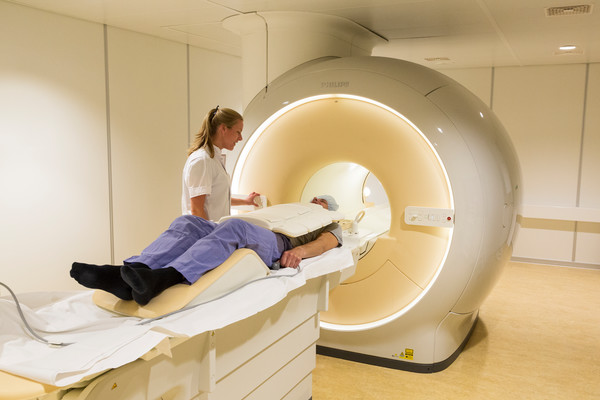
The research team used advanced imaging techniques, such as PET, MRI, and CT scans, to study the biology of these rare tumours, such as blood flow or metabolic activity, and how these features change during treatment. These imaging results were then directly compared with tumour tissue samples by aligning scan images with pathology slides. This innovative approach allowed the researchers to develop models that can better predict how specific tumours will respond to therapy. With research efforts, a technical registration pipeline
The project successfully demonstrated that combining imaging with tissue data can help identify patients who potentially need more or less intensive treatment. This can lead to more personalised and effective patient care, with fewer side effects, and better outcomes. The methods developed in this project can now be used in future studies and, eventually, daily clinical practice.