Finding the diagnostic and therapeutic niche for GrindCare®
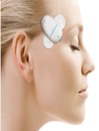
A database for comprehensive collection of sleep bruxism data was developed. For this, the Academic Centre for Dentistry Amsterdam collaborated with Sunstar Suisse SA, a company that produces the Grindcare® device. Grindcare® is a single-channel, portable electromyographic device for the detection and management of sleepbruxism in the home setting.
Sleep bruxism is characterized by clenching and/or grinding the teeth during sleep. Approximately 12% of the population report sleep bruxism. It can have negative consequences, such as pain in the mouth or jaws, tooth wear and failure of dental restorations. It is therefore important to accurately and effectively diagnose and manage sleep bruxism. Diagnosis in the clinic is extremely challenging, due to the lack of simple and valid diagnostic tools. Moreover, traditional management approaches do not lead to the reduction of sleep bruxism activity. The Grindcare® is thus a promising device. Its diagnostic and therapeutic properties have only been tested in laboratory conditions and selected patient groups, and need to be investigated in larger and diverse populations. In this project, a database was created that is accessible worldwide, through a cloud service.
The following data can be collected:
- Patient self-report of sleep and awake bruxism, and related conditions (e.g. orofacial pain and dysfunction, dental sleep-related conditions, psychosocial functioning)
- Data derived from the clinical examination of the patient by the dentist
- Data describing planned and received multidisciplinary treatment of patients with sleep bruxism and/or related conditions, including Grindcare® use
- Patient-reported outcomes on the effectiveness of received treatment.
The comprehensive dataset will contribute to the determination of the diagnostic and therapeutic niche of the GrindCare®, as well as other sleep bruxism management strategies. It is expected that multiple other sleep bruxism research questions can be investigated through the acquired dataset, thus improving the standards of care for patients.