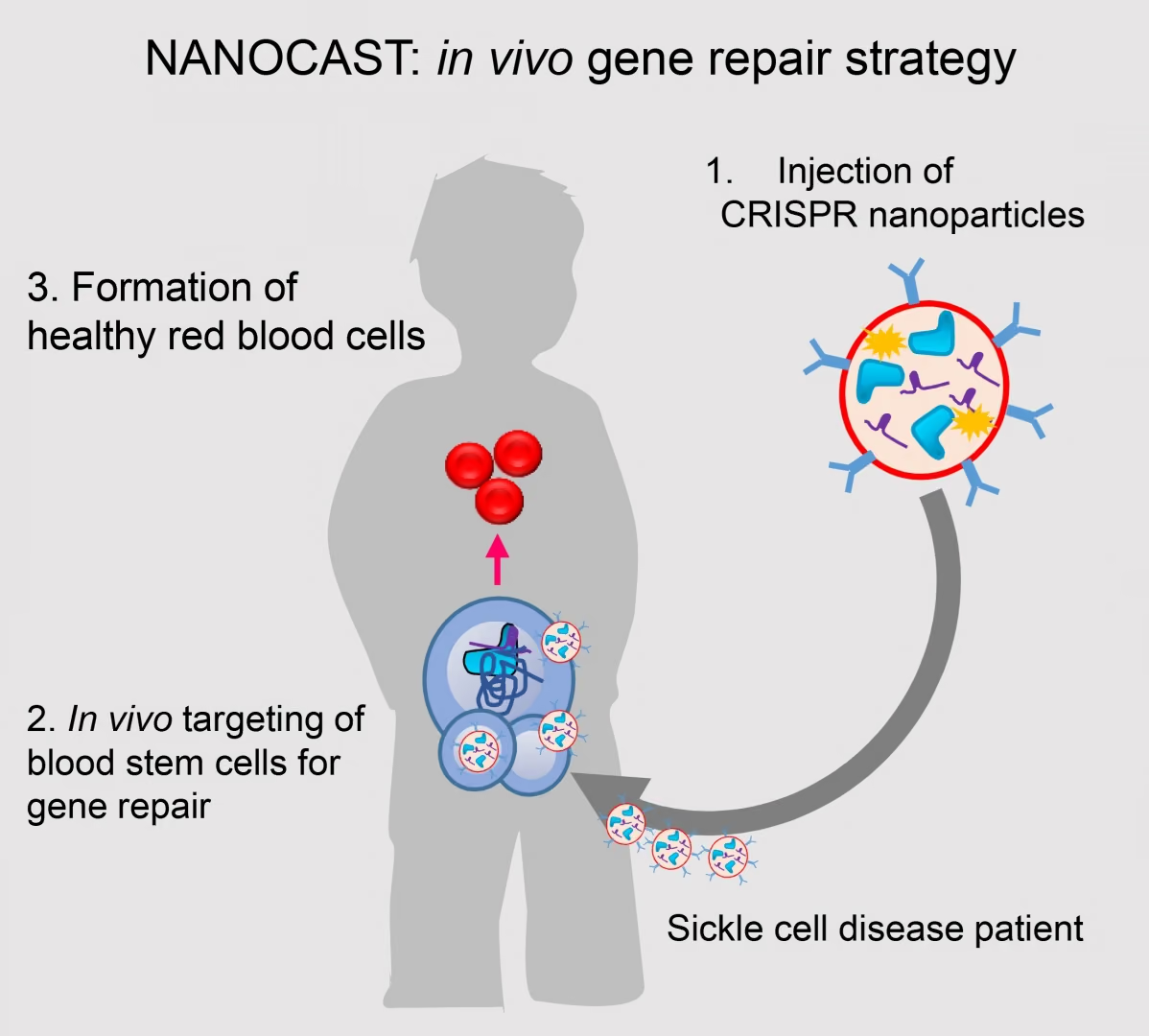
NANOCAST: Nanoparticles for Cas9 targeting in blood stem cells
NANOCAST will develop nanoparticles for delivery of genome editing components to blood stem cells
NANOCAST 1 and 2, in which Erasmus MC, LUMC and Harbour Antibodies joined forces, aimed to develop an efficient delivery method for the systemic administration of CRISPR genome editing components to blood stem cells.
CRISPR genome editing technology has great potential to cure a large variety of human diseases, including those of the blood forming system. Most of these diseases still have a great unmet medical need. For example, each year ~300,000 patients with sickle cell disease are born, with limited treatment options. To develop much needed cures for hereditary blood diseases, the CRISPR genome editing system can be employed to repair genes in blood stem cells. To date, in vivo editing of this rare cell population remains a challenge.
NANOCAST combined advances in nanotechnology and biochemistry with the aim to develop targeted in vivo gene repair for the treatment of blood diseases. The approach was based on nanoparticles made of poly(lactic-co-glycolic acid) and lipid-polyethylene glycol. CRISPR guide-RNAs with proven therapeutic effects, Cas9 endonuclease, and Based Editor variants of Cas9 such as ABE8e NRCH (Erasmus MC) would be encapsulated in these biodegradable nanoparticles (LUMC) and guided by novel state-of-the-art antibodies (Harbour Antibodies) to blood stem cells in the bone marrow.
The nanoparticles improved the stability and delivery of the genome editing components and allowed long-term storage, while the antibodies ensured targeting to blood stem cells. These are key factors to facilitate curative genetic therapy in the clinic at greatly reduced costs. The targeting moieties and guide-RNAs can be easily adjusted to target a large variety of diseases in distinct cell types and tissues. We have achieved very efficient repair (>80% of the alleles) of the mutation causing sickle cell disease with the ABE8e NRCH Base Editor in cultured erythroid progenitor cells derived from patients with sickle cell disease.
Other projects
In each PPP project, research institutions, businesses and healthcare organisations work together on a specific health challenge. Browse the full project overview.

Bekijk de programma’s
Binnen onze programma’s werken bedrijven, kennisinstellingen en regionale partners samen aan innovaties die bijdragen aan betere gezondheid en zorg.
Bekijk de partnerschappen
Strategische publiek-private partnerschappen (PPP's) zijn meerjarige samenwerkingen tussen bedrijven, kennisinstellingen en andere partijen.
Hoe kunnen we je helpen?
Heb je een vraag of wil je meer weten over Health Holland? We brengen je graag in contact met de juiste mensen, kennis en mogelijkheden om gezondheidsinnovatie te versnellen.
We have received your message
We will contact you within 3 to 4 working days. If your question is urgent, please contact us directly. Below is the contact option that best matches your subject.
Start again
Something went wrong while sending the form. Please try again.