Next-Gen-Vis
Exploring innovative therapies to combat vision loss from the untreatable disease retinitis pigmentosa
This project aims to develop innovative therapies for retinitis pigmentosa (RP), specifically targeting the untreatable LRAT subtype. By establishing a public-private partnership with Biogen, we combine resources and expertise from both sectors to accelerate research and develop effective treatment options for patients suffering from this debilitating condition.
Retinitis pigmentosa affects approximately 1 in 4,000 people globally, leading to significant vision impairment and a gradual loss of mobility and independence. Currently, the only approved treatment is for the RPE65 subtype, leaving many patients without options. The societal impact is substantial; as the population ages, the burden of vision-related disabilities is expected to rise, highlighting the urgent need for innovative solutions to preserve sight and improve quality of life.
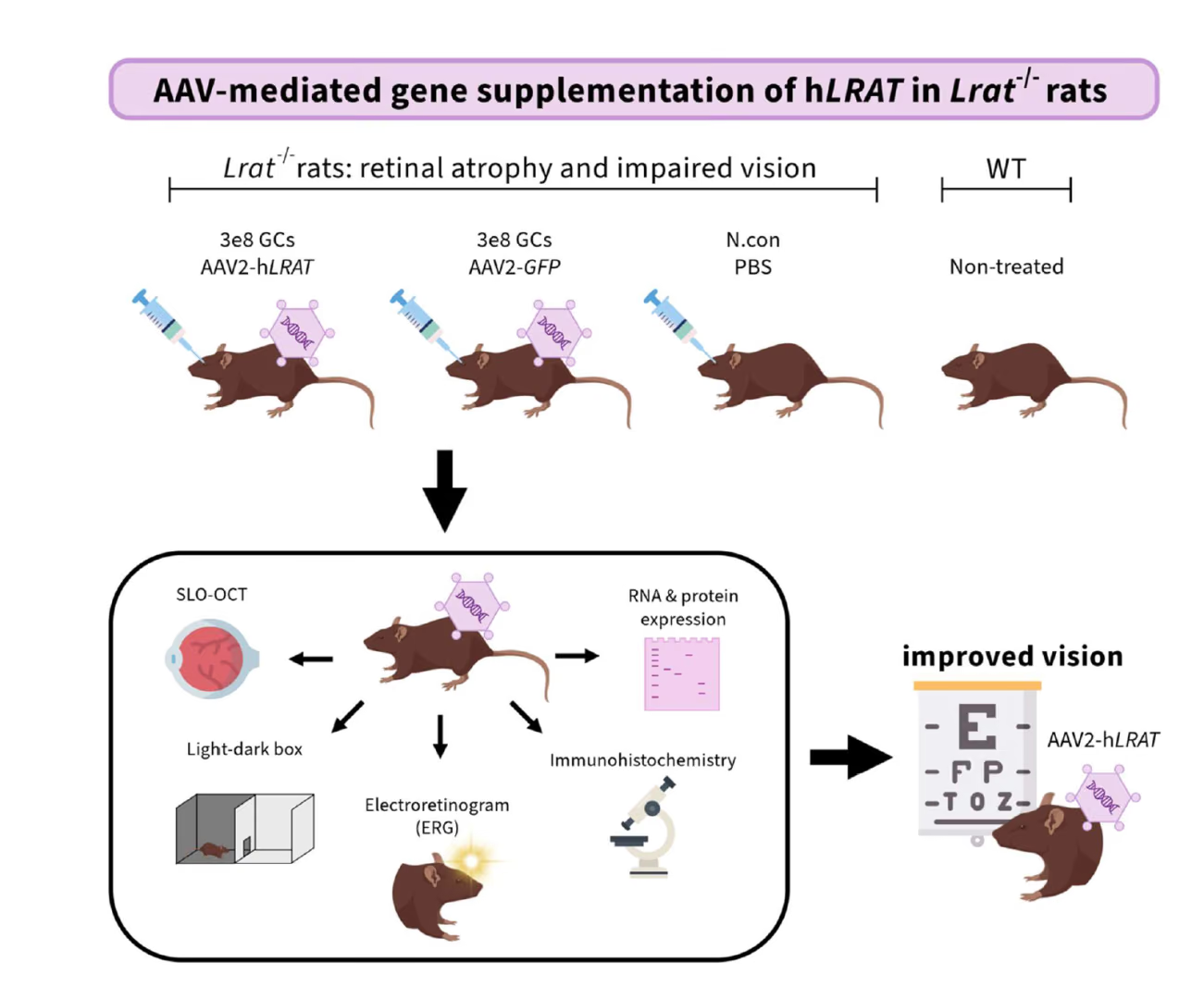
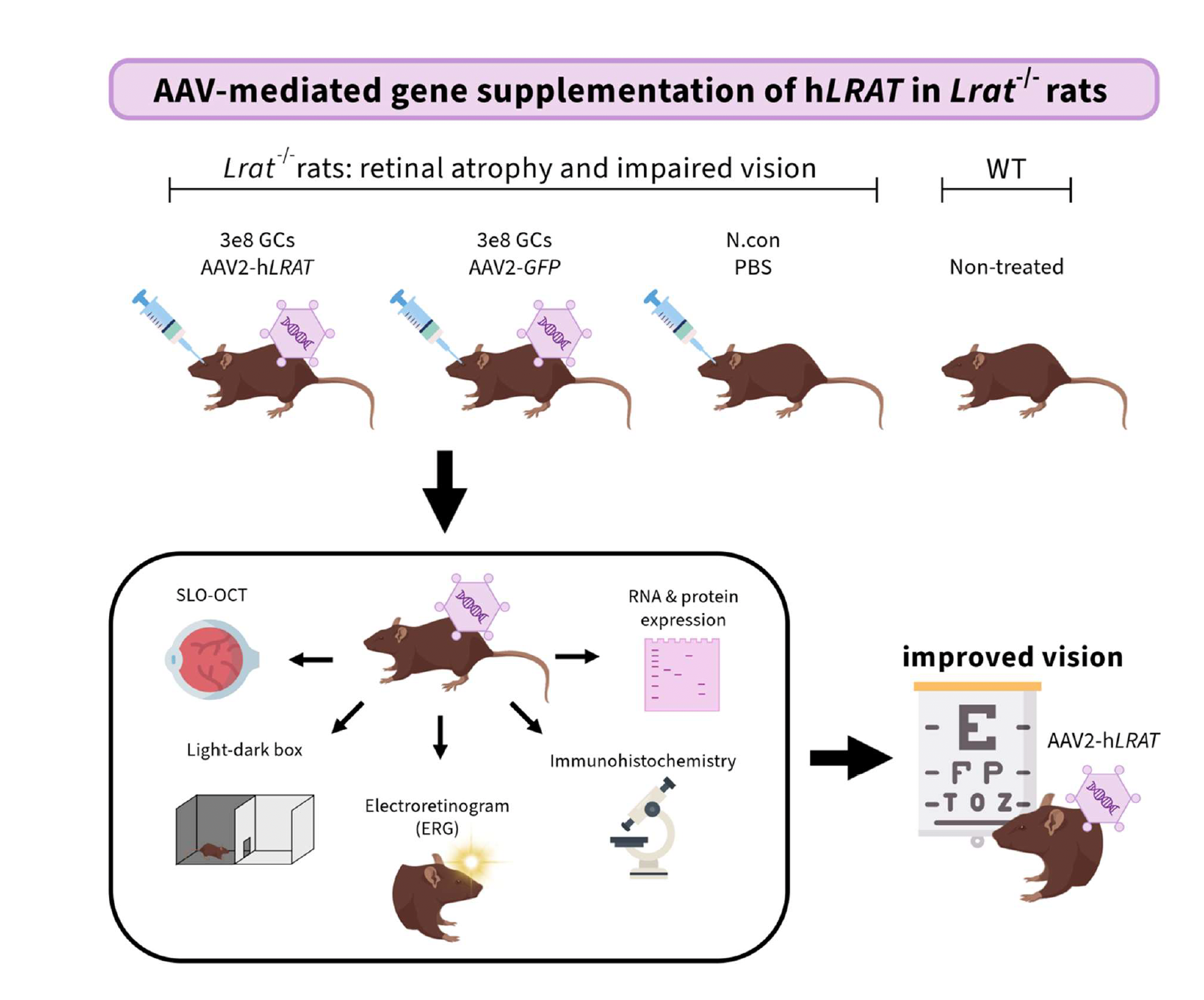
Our project takes a multi-faceted approach, focusing on gene therapy and regenerative techniques to replace damaged retinal cells. In the initial phases, we inject healthy LRAT genes into rat eyes and create retinal tissue models from stem cells, providing a platform for testing therapies while reducing reliance on animal testing. Additionally, we explore the transplantation of differentiated stem cells into damaged retinal areas to restore function in affected eyes.
In WP1, key milestones such as AAV construction, rat breeding, and subretinal injections were successfully achieved, with visual evaluations and follow-ups conducted. For WP2, while significant progress was made in constructing stem cell lines, challenges arose in characterizing LRAT organoids and RPE due to the absence of observable phenotypes. In WP3, ocular surgeries were conducted with promising results, although maintaining rescued cultures could not be completed as no aberrant phenotype was detected. Overall, we developed a gene replacement therapy option that shows promising proof-of-concept data. We will explore the options of bringing this therapy to the clinic.
Other projects
In each PPP project, research institutions, businesses and healthcare organisations work together on a specific health challenge. Browse the full project overview.



Bekijk de programma’s
Binnen onze programma’s werken bedrijven, kennisinstellingen en regionale partners samen aan innovaties die bijdragen aan betere gezondheid en zorg.
Bekijk de partnerschappen
Strategische publiek-private partnerschappen (PPP's) zijn meerjarige samenwerkingen tussen bedrijven, kennisinstellingen en andere partijen.
Hoe kunnen we je helpen?
Heb je een vraag of wil je meer weten over Health Holland? We brengen je graag in contact met de juiste mensen, kennis en mogelijkheden om gezondheidsinnovatie te versnellen.
We have received your message
We will contact you within 3 to 4 working days. If your question is urgent, please contact us directly. Below is the contact option that best matches your subject.
Start again
Something went wrong while sending the form. Please try again.