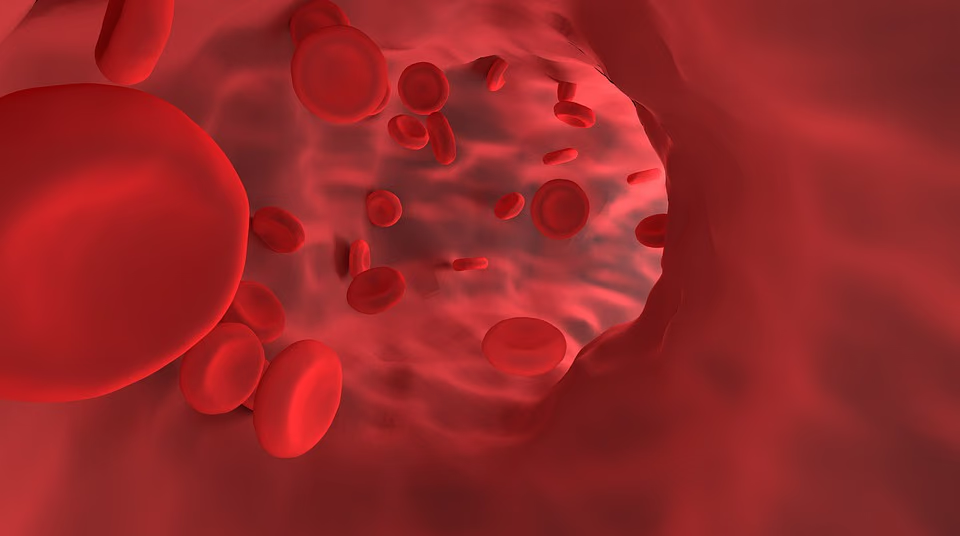
Production of synthetic red blood cells for safe intravenous use
This project aims to produce new, safe-to-inject red blood cells based on lipid-coated oxygen-generating microparticles
Creating a synthetic alternative for red blood cells can improve the treatment of patients with rarer blood types, reduce the demand for blood donations, and play a role in emergency treatments. In this project, researchers from the University of Twente team up with LipoCoat BV to develop a safe-to-inject oxygen-generating microparticle with a cell membrane-like lipid coating as a potential red blood cell substitute.
Blood, in particular red blood cells, are commonly used in surgery and rare blood disease treatment. However, blood is scarce and blood shortages are frequent. To illustrate, the American Red Cross is requesting emergency donations since 2020, and only 7% of the population have O-negative blood – the one in highest demand. Blood substitutes have been extensively explored in the last 70 years as a solution to blood scarcity, but no globally safe alternative has been found.
To create our red blood cell substitute, we proposed to achieve the following goals: 1) produce hydrophobic micromaterials with a diameter smaller than 5 micrometers; 2) encapsulate solid peroxides within the micromaterials to endow them with oxygen generating properties; and 3) lipid-coat the oxygen generating micromaterials with a lipid cell membrane to allow for safe intravenous injection. This innovative approach was anticipated to produce a cheap, easy, and safe to administer engineered red blood cell that could provide temporary life support during life threatening situations.
At the end of the project, we were able to produce hydrophobic micromaterials at diameters smaller than 5 micrometers, oxygen-generating nanocrystals, and red blood cell-like lipid coatings which could be combined into a promising engineered red blood cell. We developed a simple method and setup of lipid-coating particles in suspension, and we successfully designed a blood-safe synthetic red blood cell membrane which can be used in future projects in blood engineering and nano-pharmaceuticals.
Other projects
In each PPP project, research institutions, businesses and healthcare organisations work together on a specific health challenge. Browse the full project overview.

Bekijk de programma’s
Binnen onze programma’s werken bedrijven, kennisinstellingen en regionale partners samen aan innovaties die bijdragen aan betere gezondheid en zorg.
Bekijk de partnerschappen
Strategische publiek-private partnerschappen (PPP's) zijn meerjarige samenwerkingen tussen bedrijven, kennisinstellingen en andere partijen.
Hoe kunnen we je helpen?
Heb je een vraag of wil je meer weten over Health Holland? We brengen je graag in contact met de juiste mensen, kennis en mogelijkheden om gezondheidsinnovatie te versnellen.
We have received your message
We will contact you within 3 to 4 working days. If your question is urgent, please contact us directly. Below is the contact option that best matches your subject.
Start again
Something went wrong while sending the form. Please try again.