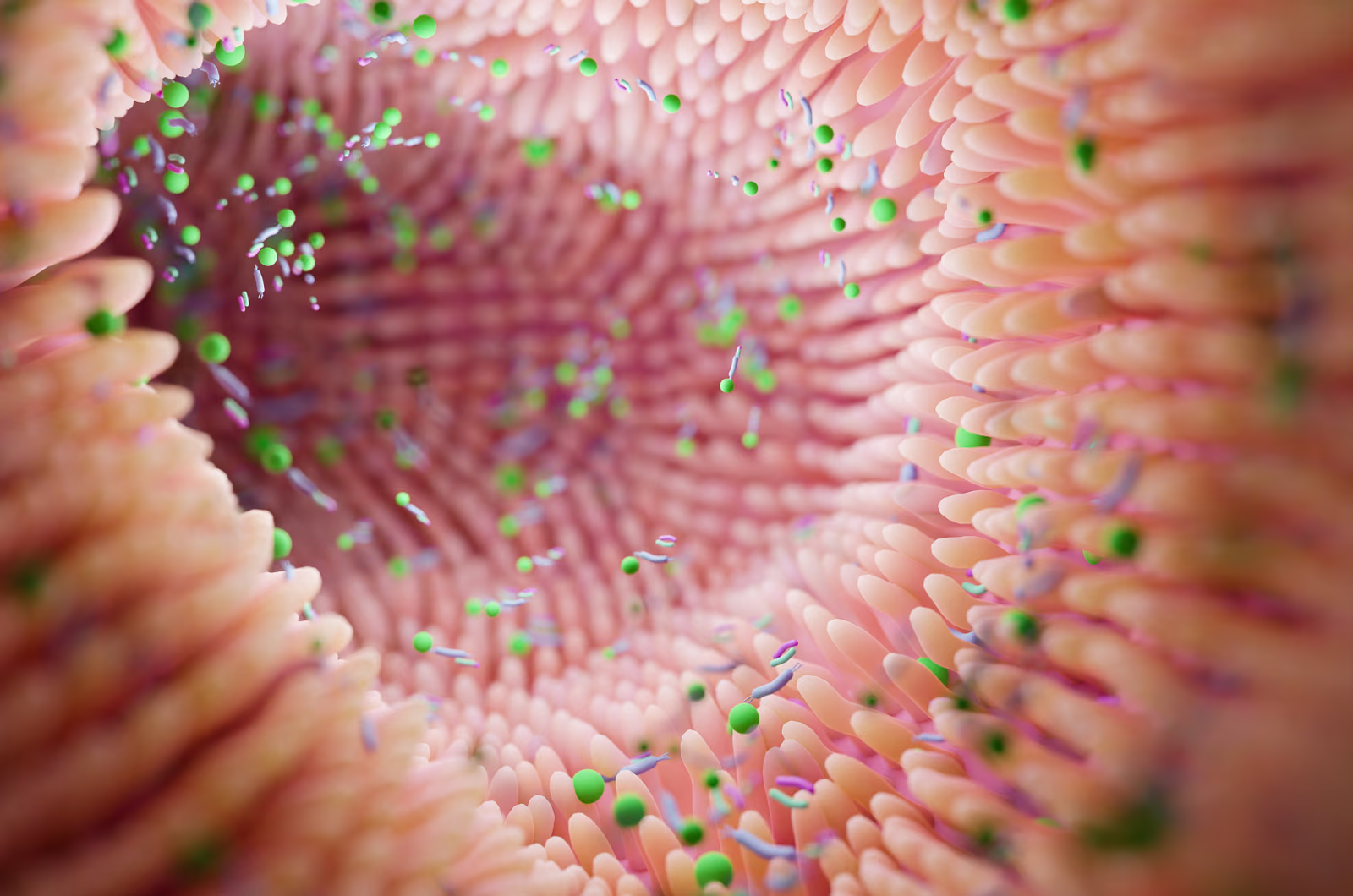
MNEON, the Microbiome in the Neonatal intestine related to intestinal failure and health
Towards a healthy development of our gut microbiome in the first 100 days after birth, in a term and preterm born start
The description of the gut microbiota may be the biggest recent breakthrough in medicine. In the early stages of life, especially in prematurely born children, dysbiosis of the microbiota is thought to play a role in the well-known health problems related to the development of a healthy immune response against gut bacteria in preterm infants. This can lead to allergies and the development of chronic inflammatory diseases later in life. The consortium has established a strong position in this field by conducting innovative and translational research on the role of gut bacteria in human diseases. Expertise in complex biostatistics is present. In addition, the consortium has a leading position in the analysis of fecal mycobiota (fungi) which are increasingly being associated with human disease and which have been scarcely studied so far due to technical challenges. Finally, in this consortium, we will analyze metabolites found in the gut of preterm infants. These analyses may lead to a better understanding of the development of the neonatal gut and the prevention of inflammatory diseases and allergies later in life.
Other projects
In each PPP project, research institutions, businesses and healthcare organisations work together on a specific health challenge. Browse the full project overview.

Bekijk de programma’s
Binnen onze programma’s werken bedrijven, kennisinstellingen en regionale partners samen aan innovaties die bijdragen aan betere gezondheid en zorg.
Bekijk de partnerschappen
Strategische publiek-private partnerschappen (PPP's) zijn meerjarige samenwerkingen tussen bedrijven, kennisinstellingen en andere partijen.
Hoe kunnen we je helpen?
Heb je een vraag of wil je meer weten over Health Holland? We brengen je graag in contact met de juiste mensen, kennis en mogelijkheden om gezondheidsinnovatie te versnellen.
We have received your message
We will contact you within 3 to 4 working days. If your question is urgent, please contact us directly. Below is the contact option that best matches your subject.
Start again
Something went wrong while sending the form. Please try again.