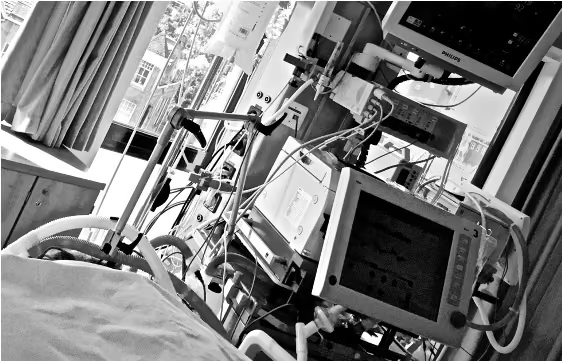
The molecular signature of sepsis induced multi organ failure – unmasking therapeutic targets and diagnostic options in mice and men
Sepsis patients can develop multiple organ failure. Here, new drugable vascular targets will be studied
Infection (sepsis) associated failure of multiple organs (multiple organ failure, MOF) in critically ill patients on Intensive Care Units have a grave patient outcome and huge socioeconomic burden. Major failing organs are the lungs and the kidney. Until now critical care physicians can offer support for patients with failing lungs and kidneys by “doing the simple things good” and buy time for recovery by using organ replacement techniques with mechanical ventilators and dialysis machines. Despite these clinical efforts MOF is often fatal, and if the patients survives premature organ function loss are observed. Drug treatment options for MOF are lacking because the molecular causes of sepsis related organ failure are incompletely understood.
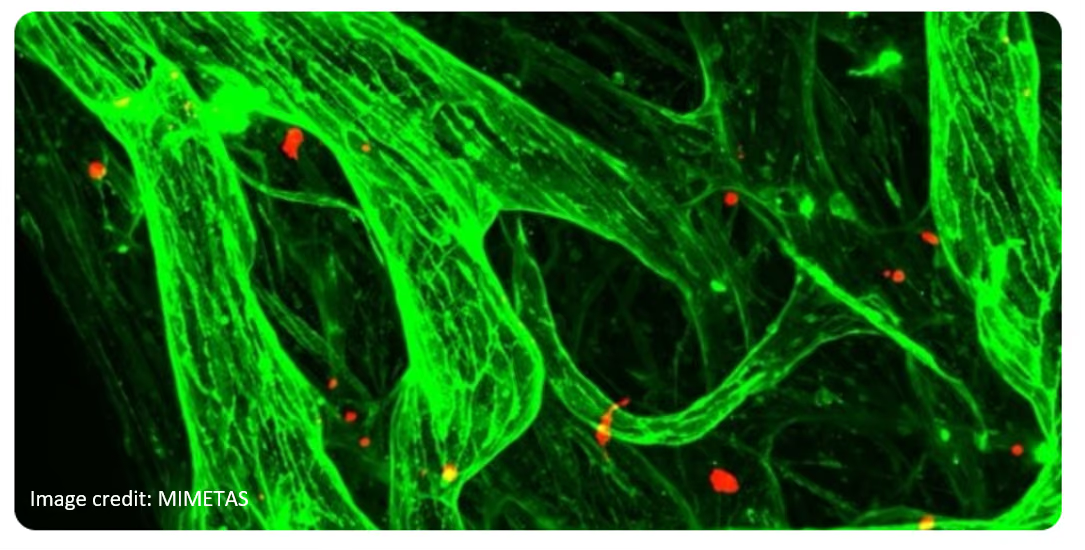
In recent years, changes in the behavior of the microvasculature, the smallest blood vessels in all organs, has been identified as a central reason why organs fail. Here, they will study changes in different molecules that change in the microvasculature to find options for new drugs that treat failure of the microvasculature to prevent lungs and kidneys from failing. Furthermore, they will find molecules in the blood that can serve as biomarkers of the reason why organs fail in sepsis and whether drugs are effectively treating these failing organs.
This translational project combines cutting edge molecular research at the level of kinome, gene expression, and microRNome in clinically relevant samples and animal models. They will obtain human post mortem kidney and lung biopsies of patients that died in the ICU and in parallel work with a well-established mouse sepsis MOF model.
Other projects
In each PPP project, research institutions, businesses and healthcare organisations work together on a specific health challenge. Browse the full project overview.

Bekijk de programma’s
Binnen onze programma’s werken bedrijven, kennisinstellingen en regionale partners samen aan innovaties die bijdragen aan betere gezondheid en zorg.
Bekijk de partnerschappen
Strategische publiek-private partnerschappen (PPP's) zijn meerjarige samenwerkingen tussen bedrijven, kennisinstellingen en andere partijen.
Hoe kunnen we je helpen?
Heb je een vraag of wil je meer weten over Health Holland? We brengen je graag in contact met de juiste mensen, kennis en mogelijkheden om gezondheidsinnovatie te versnellen.
We have received your message
We will contact you within 3 to 4 working days. If your question is urgent, please contact us directly. Below is the contact option that best matches your subject.
Start again
Something went wrong while sending the form. Please try again.