CT measurements of the effects on surgical working space of regular versus deep neuromuscular blockade: studies in a porcine laparoscopy model
Towards an evidence-based approach to the use of neuromuscular blockade during laparoscopy.
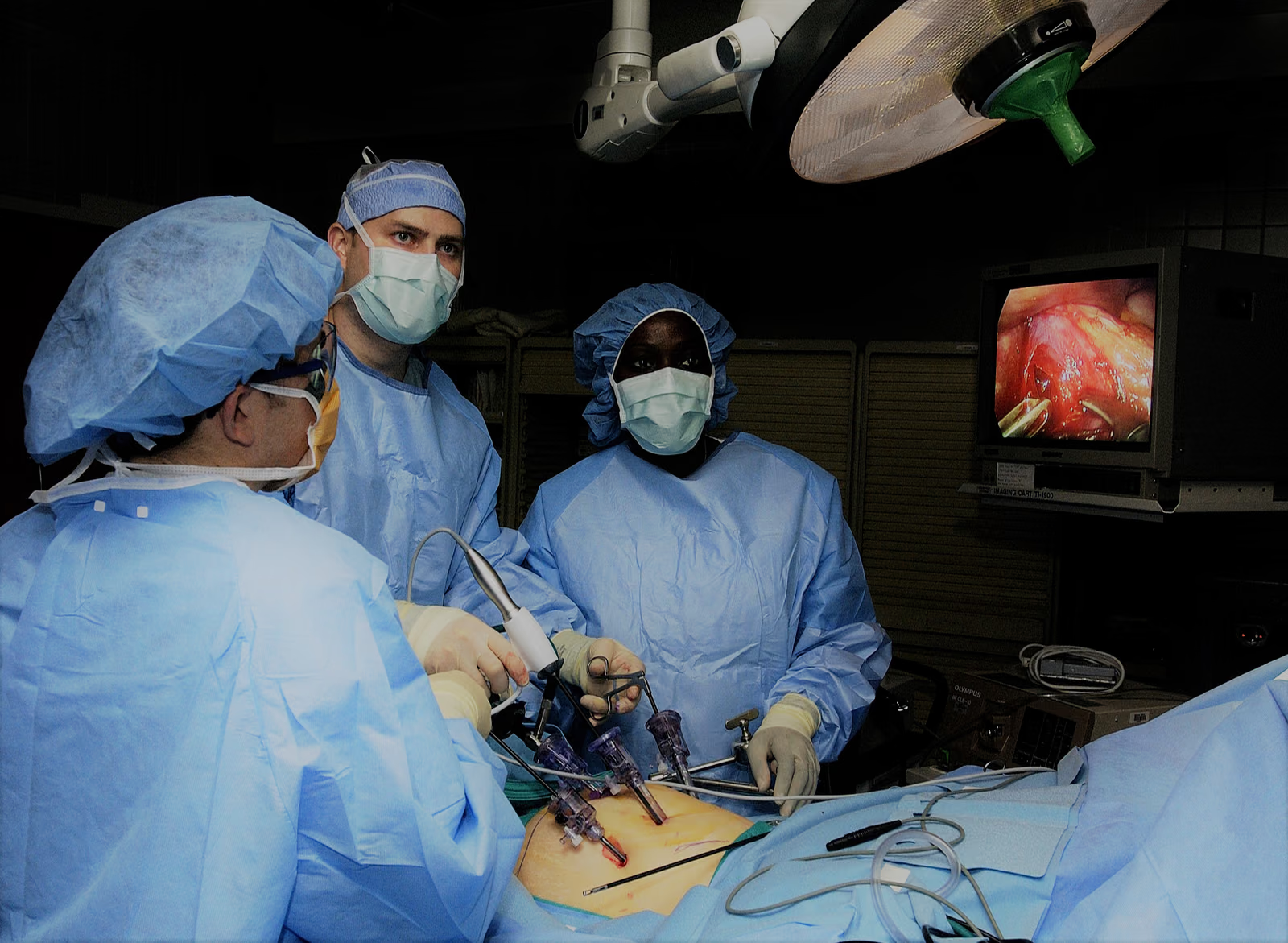
Laparoscopy is minimally invasive surgery in which a procedure is performed through small incisions aided by a camera. Worldwide, neuromuscular blockade (NMB) is used to improve surgical conditions in laparoscopy over 7.5 million times a year. This involves a dose of muscle-relaxing medication that is counteracted at the end of surgery. Despite the costs involved and widespread use, no evident patient benefit of the use of NMB exists. Multiple clinical studies have been done on the effectiveness of different dosages of NMB in laparoscopy. Accurately measuring the surgical conditions and working space is however only possible in an animal model.
With a series of 30 experiments under standardised conditions, the effects of NMB on surgical working space, circulation and respiration can be accurately measured. Using the collected data a biomechanical model will be created to study the interactions between these factors. An optimum in the dosage of NMB and the created working space can then be determined within safe cardiorespiratory limits. This model can be further developed using clinical measurements.
The end goal of this project is to translate the findings from this study and the created model into clinically applicable guidelines. These guidelines will allow patient-tailored administration of NMB during laparoscopic surgery. By using NMB with optimised surgical conditions and patient safety, cost effectiveness and patient outcome will be improved.
Other projects
In each PPP project, research institutions, businesses and healthcare organisations work together on a specific health challenge. Browse the full project overview.

Bekijk de programma’s
Binnen onze programma’s werken bedrijven, kennisinstellingen en regionale partners samen aan innovaties die bijdragen aan betere gezondheid en zorg.
Bekijk de partnerschappen
Strategische publiek-private partnerschappen (PPP's) zijn meerjarige samenwerkingen tussen bedrijven, kennisinstellingen en andere partijen.
Hoe kunnen we je helpen?
Heb je een vraag of wil je meer weten over Health Holland? We brengen je graag in contact met de juiste mensen, kennis en mogelijkheden om gezondheidsinnovatie te versnellen.
We have received your message
We will contact you within 3 to 4 working days. If your question is urgent, please contact us directly. Below is the contact option that best matches your subject.
Start again
Something went wrong while sending the form. Please try again.