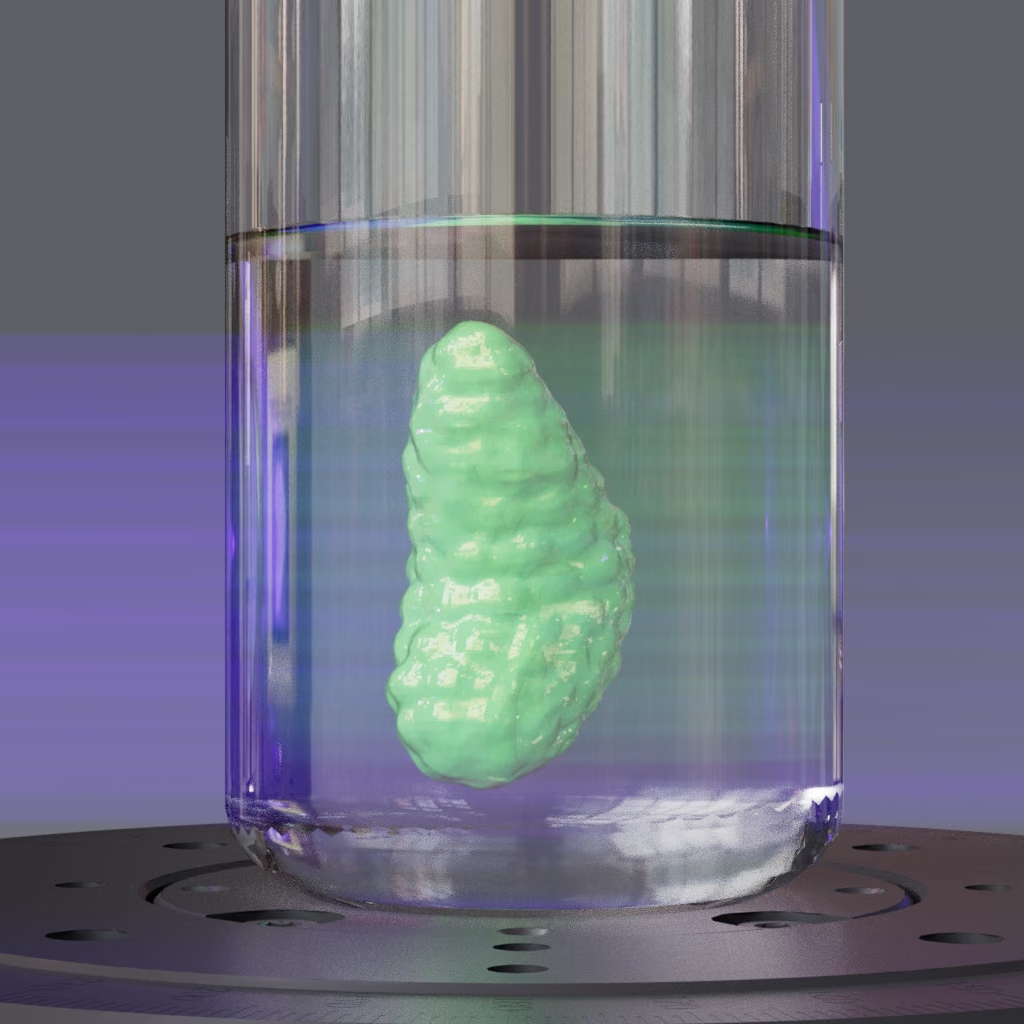
Bioprinted islet organoids as novel non-animal models for screening new therapeutic compounds
A novel humanized in vitro model to test gene therapies to treat permanent neonatal diabetes
Linking teams from Utrecht University, AstraZeneca, UMC Utrecht, hDMT, BIOINX, DiaebetesFonds, ON-SCREEN will develop s novel humanized in vitro model to test gene therapies to treat permanent neonatal diabetes.
Advanced gene editing technologies, hold great promise for curing genetic diseases by enabling precise correcting genomic alterations. However, the effectiveness and safety of these therapies must be thoroughly tested before progressing to clinical use. A major obstacle in advancing therapeutic research is the lack of reliable in vitro models that mimic human tissue, limiting the early identification of ineffective or unsafe treatments. This challenge results in the loss of approximately 85% of investments in drug discovery. Current in vitro disease models fail to replicate the complexity found in the in vivo situation, while animal models are hampered by cross-species differences and ethical issues. Bioprinting enables the ability to recreate the architecture of living tissues, rising hope for developing better, humanized in vitro models.
Permanent neonatal diabetes mellitus (PNMD) is a form of diabetes characterized by disfunction of insulin-producing β-cells caused by specific gene mutations. Currently, there is no cure for PNDM, and patients must rely on lifelong treatments such as sulfonylurea, insulin, or a combination of both. ON-SCREEN aims to develop a high-througput bioprinted in vitro model to test the efficacy and safety of gene-editing therapies for PNDM. By combining bioprinting, stem cell, and organoid technologies, the project will create a 3D model that captures the complexity of the endocrine pancreas, including the surrounding matrix and interacting cell types. This model will enable unprecedented gene therapy testing, offering deeper insights into how these therapies interact with pancreatic cells and their environment, providing valuable knowledge that current models cannot offer. Through this novel approach, ON-SCREEN hopes to drive significant advancements in gene-editing therapies for PNDM and other diseases with a genetic etiology.
Other projects
In each PPP project, research institutions, businesses and healthcare organisations work together on a specific health challenge. Browse the full project overview.

Bekijk de programma’s
Binnen onze programma’s werken bedrijven, kennisinstellingen en regionale partners samen aan innovaties die bijdragen aan betere gezondheid en zorg.
Bekijk de partnerschappen
Strategische publiek-private partnerschappen (PPP's) zijn meerjarige samenwerkingen tussen bedrijven, kennisinstellingen en andere partijen.
Hoe kunnen we je helpen?
Heb je een vraag of wil je meer weten over Health Holland? We brengen je graag in contact met de juiste mensen, kennis en mogelijkheden om gezondheidsinnovatie te versnellen.
We have received your message
We will contact you within 3 to 4 working days. If your question is urgent, please contact us directly. Below is the contact option that best matches your subject.
Start again
Something went wrong while sending the form. Please try again.