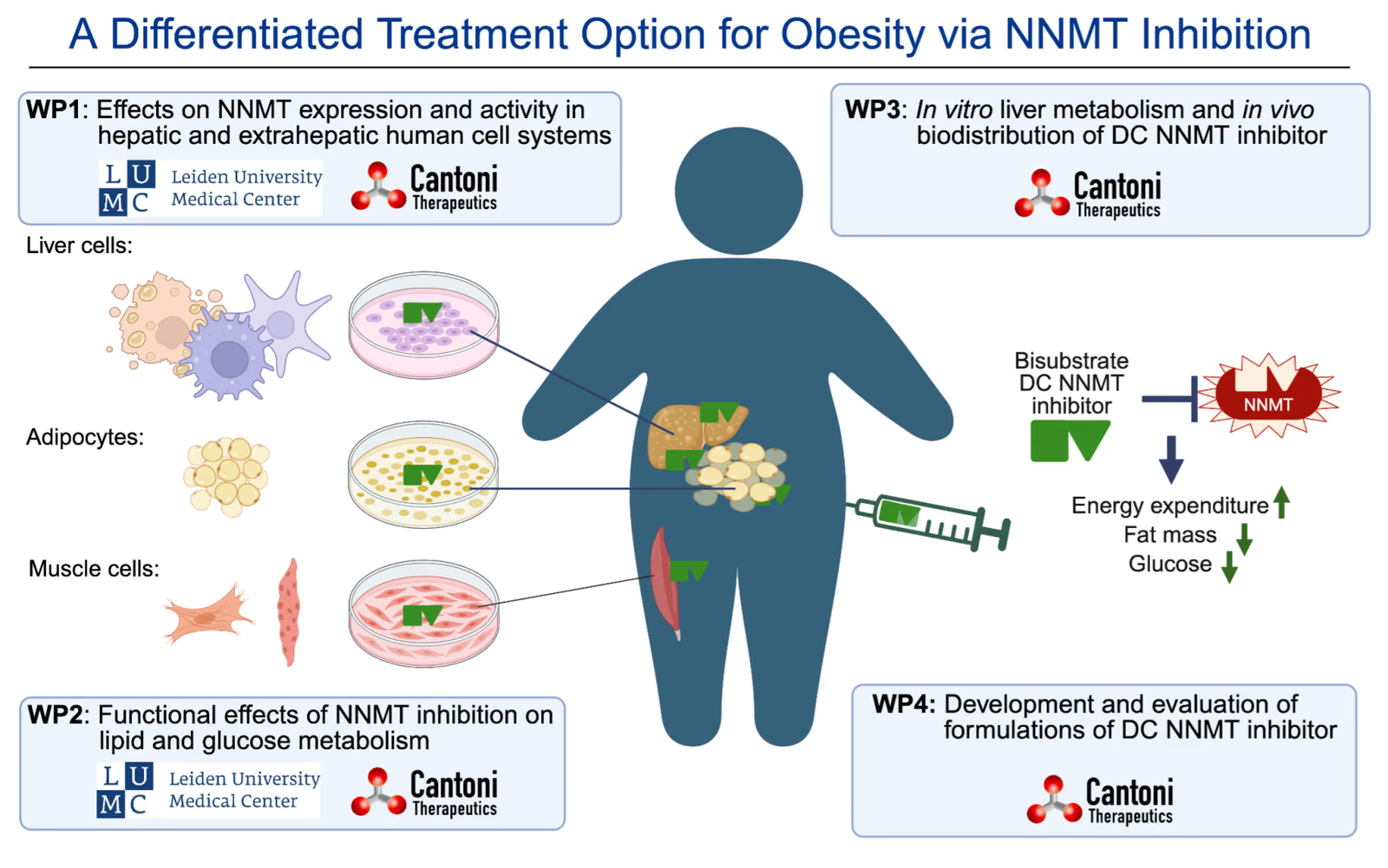
A differentiated treatment option for obesity via nicotinamide N-methyltransferase inhibition
NNMT inhibition targets adiposity to tackle obesity, a unique approach differentiated from current anti-obesity drugs
Cantoni Therapeutics has established a strategic public-private partnership with metabolic disease experts at Leiden University Medical Center to advance its NNMT inhibitor, a breakthrough treatment for obesity. By joining forces, cutting-edge drug development is complemented with academic excellence to transition this promising laboratory discovery into clinical therapy, bridging the gap between innovative research and patient care.
Obesity has escalated into a global pandemic. The WHO reported that 890 million adults currently live with obesity and more than 40% of the world's population is classified as overweight, estimated to reach over 50% by 2035. This crisis carries a staggering economic burden of €3.7 trillion annually. Despite the recent breakthrough with the first approved anti-obesity drugs, major limitations remain concerning tolerability and efficacy, leading to discontinuation of treatment by half of the patients within the first year. Therefore, an urgent unmet need remains for new therapies that are not only effective and well-tolerated but specifically target adiposity while preserving vital muscle mass.
The project is centred around a "first-in-class" small molecule, designed to inhibit nicotinamide N-methyltransferase (NNMT), a metabolic enzyme directly linked to obesity. Unlike currently approved obesity treatments, this innovative approach specifically targets adiposity through metabolic pathways within fat and liver tissue promoting energy expenditure. By interrogating how this NNMT inhibitor functions in disease-relevant human cell systems, the ADITION project seeks to further elucidate the mode of action in a human context complementing the efficacy observed in obese mice.
Furthermore, studies required for regulatory approval of the evaluation of the NNMT inhibitor in humans are included. Key outputs involve the NNMT inhibitor’s metabolism and biodistribution, the selection of animal species for safety testing and the development of suitable preclinical and clinical formulations. These steps support the initiation of the first-in-human clinical trial, bringing this novel and transformative obesity treatment to patients.
Andere projecten
In elk PPS-project werken kennisinstellingen, bedrijven en zorgpartijen samen aan een concrete gezondheidsvraag. Bekijk het volledige projectoverzicht.

Bekijk de programma’s
Binnen onze programma’s werken bedrijven, kennisinstellingen en regionale partners samen aan innovaties die bijdragen aan betere gezondheid en zorg.
Bekijk de partnerschappen
Strategische publiek-private partnerschappen (PPP's) zijn meerjarige samenwerkingen tussen bedrijven, kennisinstellingen en andere partijen.
Hoe kunnen we je helpen?
Heb je een vraag of wil je meer weten over Health Holland? We brengen je graag in contact met de juiste mensen, kennis en mogelijkheden om gezondheidsinnovatie te versnellen.
We hebben uw bericht ontvangen
We nemen binnen 3 tot 4 werkdagen contact met je op. Is je vraag dringend? Neem dan gerust direct contact met ons op. Hieronder zie je de contactoptie die het beste past bij je onderwerp.
Opnieuw beginnen
Er ging iets mis bij het versturen van het formulier. Probeer het opnieuw.