Extracellular Vesicle-Optimized Therapy Leveraging Vesicular Engineering for Phospholamban Cardiomyopathies
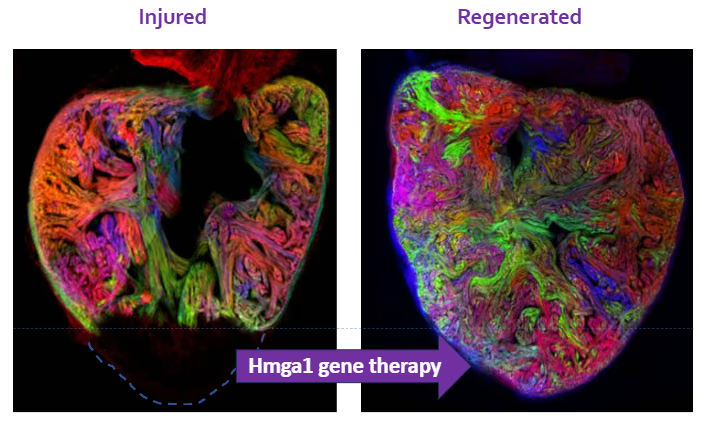
Gene therapy to cure genetic disease and halt progression into more severe phenotypes
We anticipate that the successful application of the novel therapeutic approach described and the demonstration of efficacy in the models proposed here will translate to human patients, significantly reducing a multi-billion-dollar unmet healthcare burden and improving the quality of life for many millions of patients in the Netherlands and worldwide.
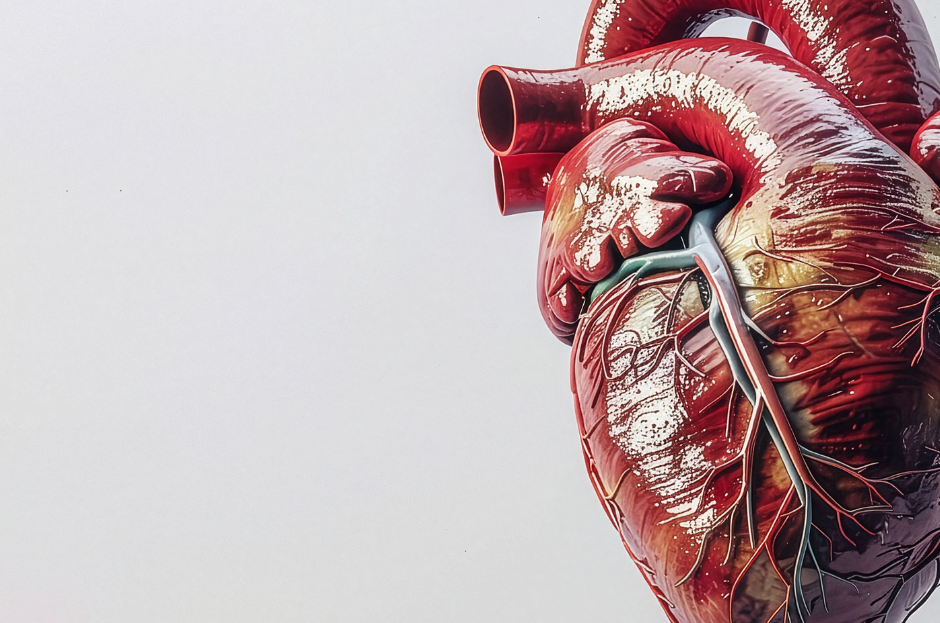
Hereditary cardiovascular diseases, including phospholamban (PLN) cardiomyopathy, present a significant global health problem. PLN cardiomyopathy disrupts calcium regulation in heart muscle cells due to mutations (R14del) in the PLN gene, leading to heart failure, arrhythmias, and sudden cardiac death[. In the NL, with >1,500 carriers identified, the mutation accounts for ~15% of arrhythmogenic cardiomyopathy and 10-15% of dilated cardiomyopathy cases and contributes to ~25% of annual heart transplants. Symptoms appear between ages 40-48, although sudden cardiac death can occur in patients under 30. No curative treatments are available, necessitating interventions like cardio defibrillator implantation, left ventricular assist devices, or heart transplantation, highlighting the need for innovative precision medicine strategies that treat the disease at the root of the problem.
Creating an innovative platform technology via the EVs approach and improving organ targeting will create opportunities for not only ischemic heart failure, but also for different cardiomyopathies, in which the causal mutated gene needs correction or replacement. The proposed technologies will allow to further implement different directions of these strategies, as all of the genetic interventions are hampered by challenges in efficiency and local delivery.
Workplan: In WP1 will optimize the EV loading process to ensure maximum efficiency and delivery of the CRISPR prime editing RNPs in cells. WP2 will focus on the EV-mediated delivery of the CRISPR prime editor in correcting the R14del mutation in patient derived iPSC-derived cell lines. Finally, WP3 will investigate the efficacy of EV-mediated delivery of the CRISPR Prime Editor RNP in correcting the R14del mutation in humanized female and male PLN-R14del mice.
Andere projecten
In elk PPS-project werken kennisinstellingen, bedrijven en zorgpartijen samen aan een concrete gezondheidsvraag. Bekijk het volledige projectoverzicht.
Bekijk de programma’s
Binnen onze programma’s werken bedrijven, kennisinstellingen en regionale partners samen aan innovaties die bijdragen aan betere gezondheid en zorg.
Bekijk de partnerschappen
Strategische publiek-private partnerschappen (PPP's) zijn meerjarige samenwerkingen tussen bedrijven, kennisinstellingen en andere partijen.
Hoe kunnen we je helpen?
Heb je een vraag of wil je meer weten over Health Holland? We brengen je graag in contact met de juiste mensen, kennis en mogelijkheden om gezondheidsinnovatie te versnellen.
We hebben uw bericht ontvangen
We nemen binnen 3 tot 4 werkdagen contact met je op. Is je vraag dringend? Neem dan gerust direct contact met ons op. Hieronder zie je de contactoptie die het beste past bij je onderwerp.
Opnieuw beginnen
Er ging iets mis bij het versturen van het formulier. Probeer het opnieuw.