Cardiovascular Disease-Specific EV Affinity Capture by Nanotechnology (EV-CATCH)
Nanotechnology-based blood test for early, accurate diagnosis of obstructive coronary disease
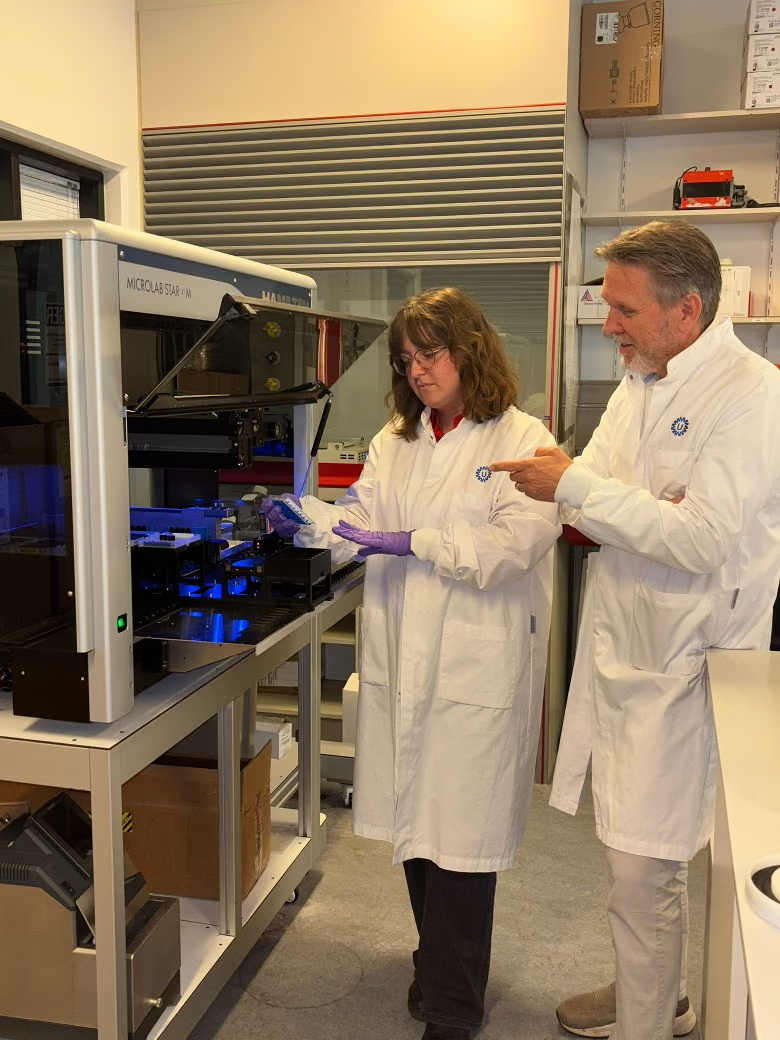
EV-CATCH is a new public-private partnership between UMC Utrecht and PERSUASIVE BV, aiming to revolutionise the early diagnosis of obstructive coronary disease (OCD) using advanced nanotechnology. The project will develop and clinically evaluate a novel method to isolate and analyse extracellular vesicles (EVs)—tiny information-carrying particles in blood—using a nanochip platform, making blood tests for heart disease more accurate and accessible.
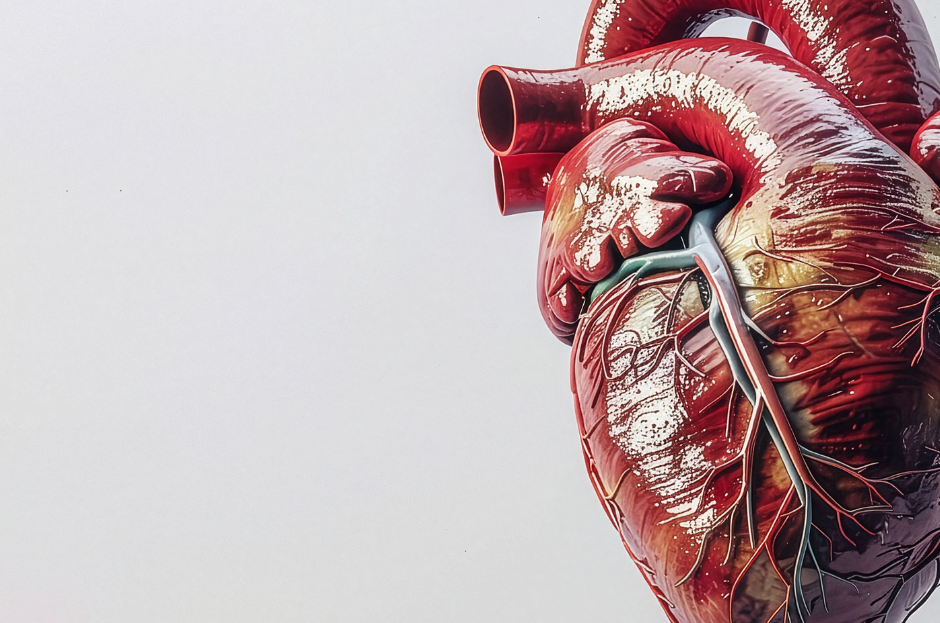
Cardiovascular diseases are the leading cause of death worldwide. In the Netherlands, general practitioners refer around 500,000 patients with non-acute chest pain to hospitals each year, but 80-90% of these patients do not have obstructive coronary disease. This results in unnecessary hospital visits, high costs, and anxiety for patients and families. Recent advances have shown that EVs in blood carry valuable information about the health of the heart and blood vessels. However, current methods to isolate and analyse EVs are either too crude or too slow for routine clinical use. There is a clear need for a reliable, automated, and scalable solution.
EV-CATCH will optimise and validate a nanochip-based EV isolation method, allowing for the specific capture of disease-relevant EVs from blood samples. The project will test and compare different biomarker detection platforms, analyse large patient cohorts from diverse backgrounds, and assess the performance of the new method in both retrospective and prospective clinical studies. The approach includes collaboration with technology providers, clinicians, and public health experts to ensure broad applicability and clinical relevance.
The main deliverables are a validated, automated nanochip EV isolation platform, updated biomarker panels for early OCD diagnosis, and clear recommendations for clinical implementation. These results will enable earlier, more accurate, and less invasive diagnosis of heart disease, reduce unnecessary hospital referrals, and improve patient care and cost-effectiveness in the Dutch healthcare system.
Andere projecten
In elk PPS-project werken kennisinstellingen, bedrijven en zorgpartijen samen aan een concrete gezondheidsvraag. Bekijk het volledige projectoverzicht.
Bekijk de programma’s
Binnen onze programma’s werken bedrijven, kennisinstellingen en regionale partners samen aan innovaties die bijdragen aan betere gezondheid en zorg.
Bekijk de partnerschappen
Strategische publiek-private partnerschappen (PPP's) zijn meerjarige samenwerkingen tussen bedrijven, kennisinstellingen en andere partijen.
Hoe kunnen we je helpen?
Heb je een vraag of wil je meer weten over Health Holland? We brengen je graag in contact met de juiste mensen, kennis en mogelijkheden om gezondheidsinnovatie te versnellen.
We hebben uw bericht ontvangen
We nemen binnen 3 tot 4 werkdagen contact met je op. Is je vraag dringend? Neem dan gerust direct contact met ons op. Hieronder zie je de contactoptie die het beste past bij je onderwerp.
Opnieuw beginnen
Er ging iets mis bij het versturen van het formulier. Probeer het opnieuw.