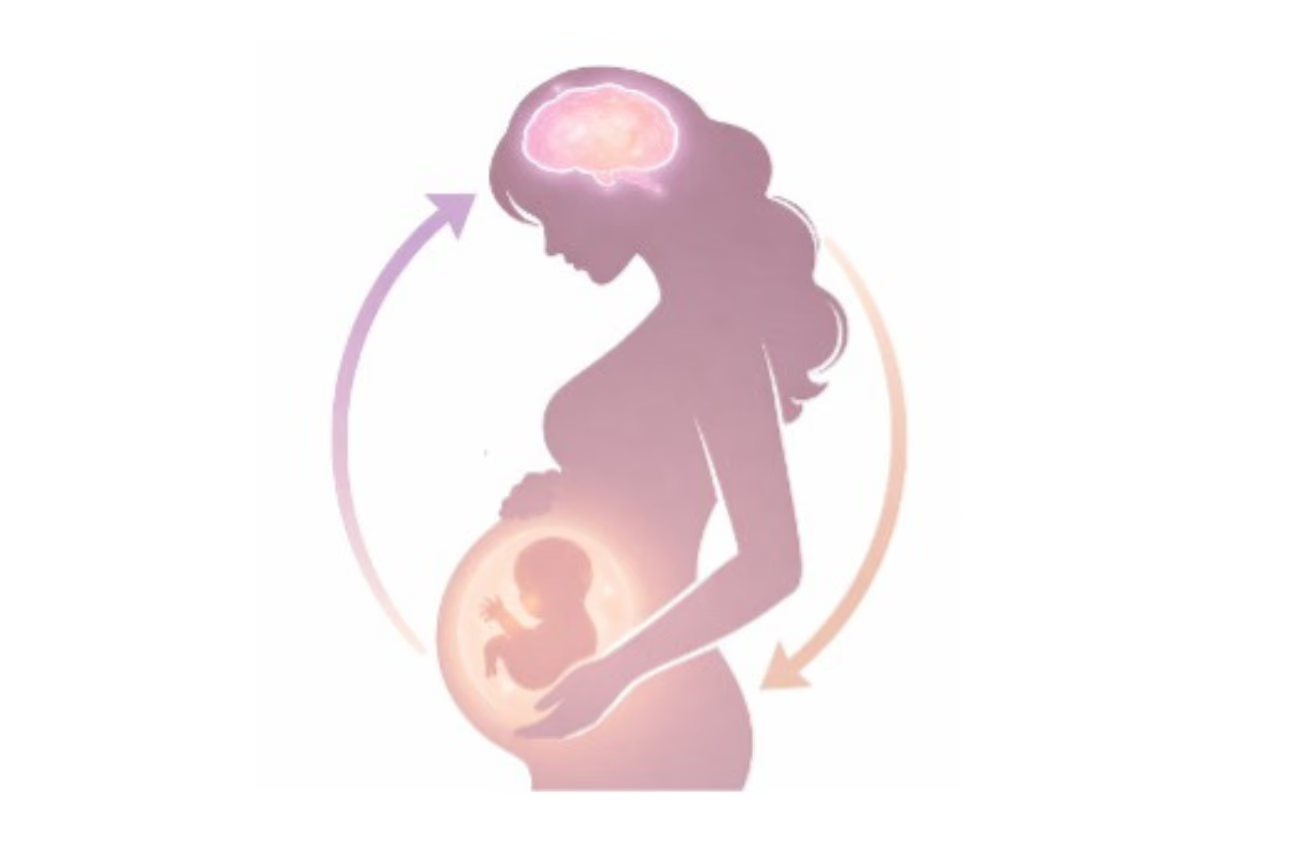
Predicting and Preventing Peripartum Depression Through Personalised Biomarker Profiling and Artificial Intelligence
Maternal mental health is biological. And that biology shapes your baby's brain forever
Peripartum depression devastates families and is the leading cause of maternal mortality, yet no biological test for it exists. It is caused by dysregulations in hormones, immune systems and other biology, yet not a single maternal hormone or immune marker is routinely measured during pregnancy. Know Women BV (decipHER women), Erasmus MC, Mamamoon BV, and Voices for Women are changing that. This public-private consortium brings together the scientific, technological, clinical, and community expertise needed to build something that has never existed before: a biomarker-based, AI-empowered risk algorithm that can predict peripartum depression during pregnancy, before a mother ever reaches crisis point.
Peripartum depression affects nearly one in five mothers in the Netherlands. Its reach extends far beyond the mother herself. The hormones and immune signals circulating in a pregnant woman's body directly affect her baby's developing brain, influencing intelligence, emotional regulation, and resilience for decades. Too often, women are silent about their symptoms out of shame, because mental health still carries stigma in a way that biology does not. The result: the women who need help most are the ones most likely to be missed.
The consortium addresses this at the root. By anchoring peripartum depression in measurable biology, the project removes stigma as a barrier to care. For the first time, mothers will have objective, personalised insight into their own mental health biology during pregnancy, empowering them to understand their risk, ask for help early, and do so with evidence in hand. Personalised risk scores are delivered digitally alongside tailored psychoeducation and recommendations for improved care pathways, with particular attention to women in vulnerable circumstances.
The consortium will deliver a clinically validated biomarker-based risk algorithm, a personalised app with recommendations for improved care pathways, and a pilot study with at least 200 pregnant women from diverse communities across the Netherlands. Results will be shared with policymakers, health insurers, and the broader Kansrijke Start coalition.
Andere projecten
In elk PPS-project werken kennisinstellingen, bedrijven en zorgpartijen samen aan een concrete gezondheidsvraag. Bekijk het volledige projectoverzicht.

Bekijk de programma’s
Binnen onze programma’s werken bedrijven, kennisinstellingen en regionale partners samen aan innovaties die bijdragen aan betere gezondheid en zorg.
Bekijk de partnerschappen
Strategische publiek-private partnerschappen (PPP's) zijn meerjarige samenwerkingen tussen bedrijven, kennisinstellingen en andere partijen.
Hoe kunnen we je helpen?
Heb je een vraag of wil je meer weten over Health Holland? We brengen je graag in contact met de juiste mensen, kennis en mogelijkheden om gezondheidsinnovatie te versnellen.
We hebben uw bericht ontvangen
We nemen binnen 3 tot 4 werkdagen contact met je op. Is je vraag dringend? Neem dan gerust direct contact met ons op. Hieronder zie je de contactoptie die het beste past bij je onderwerp.
Opnieuw beginnen
Er ging iets mis bij het versturen van het formulier. Probeer het opnieuw.