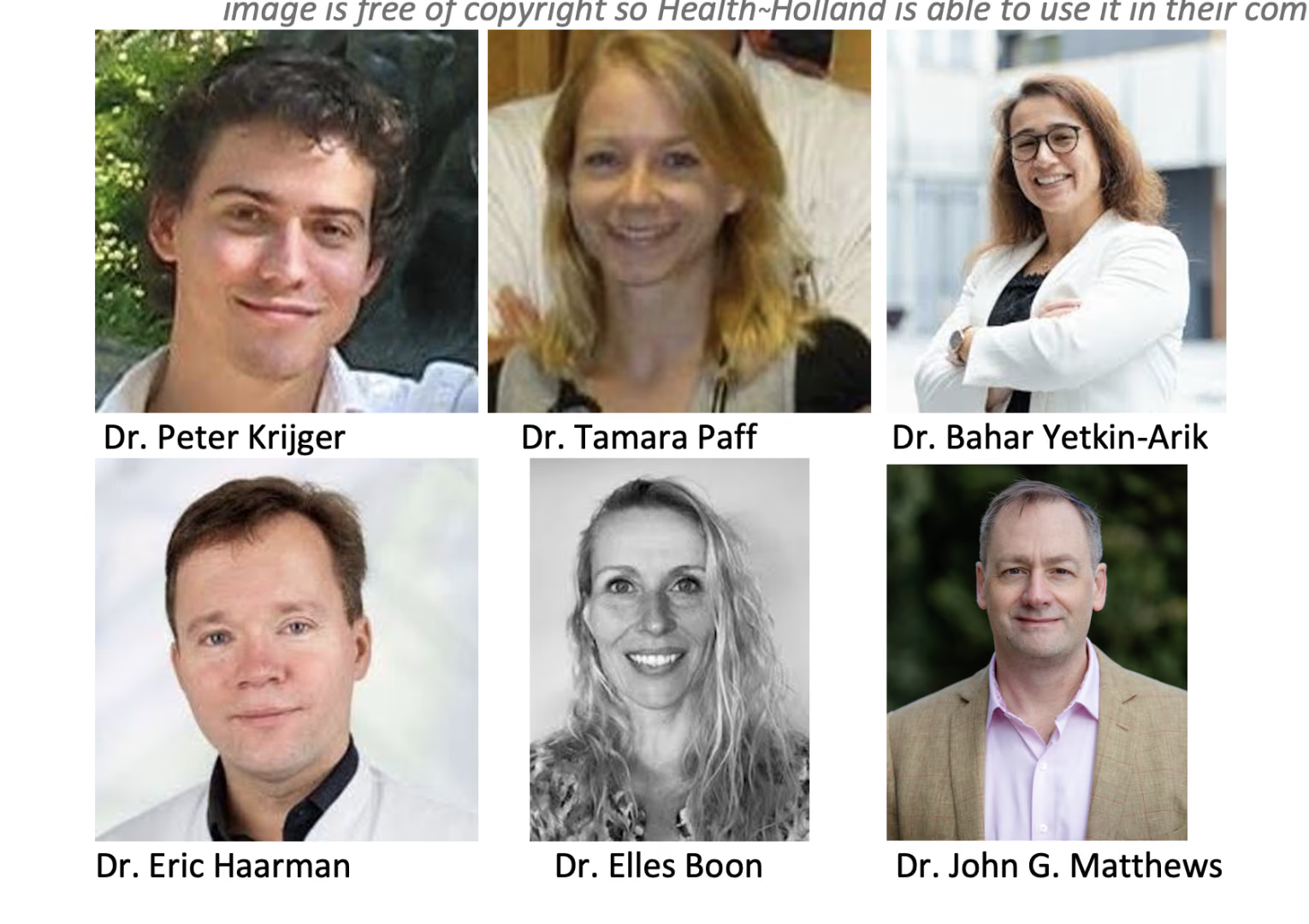
PRO-LONG DIAGNOSE-PCD : Diagnostic Integration of Advanced Genomics to prepare for Novel treatment Opportunities and Stratification for gene therapy in Every PCD patient
Turning unsolved PCD into treatment-eligible cases via genomics and patient-derived cell models
Primary Ciliary Dyskinesia (PCD) is a rare, genetic lung disease. Tiny hair-like structures (cilia) in the airways do not move properly, causing recurrent infections and lasting lung damage. This public–private partnership unites Amsterdam UMC (national PCD diagnostics), UMC Utrecht (genomics and patient-derived airway models) and ReCode Therapeutics (RNA/gene-therapy for PCD) to move genetically unsolved PCD cases from diagnosis to treatment-eligibility. We will integrate advanced DNA and RNA analyses with functional testing in patient cells to increase diagnostic yield and prepare patients for future gene-therapy trials.
PCD has a substantial impact on daily life and healthcare use. There is no curative treatment yet. Meanwhile around 20–30% of clinically diagnosed patients remain genetically unsolved after standard testing, which limits personalised care and access to upcoming gene-based studies. With mRNA-based gene therapies entering early clinical testing, timely and accurate diagnosis becomes critical so patients can benefit once these therapies are available.
Our approach is stepwise and patient-centred. First, we use DNA sequencing to identify changes in the genome of unresolved PCD patients. Second, we will gentle brush the inside of the nose to collect airway cells and grow them in the lab to study which of the identified DNA changes disrupt cilia movement. Finally, we investigate whether cilia movement in these patient derived cells can be restored using ReCode’s gene therapy approach. If cilia movement improves, it confirms the genetic cause and points to future gene-based treatments.
This project will deliver more genetic answers for unsolved PCD patients. We will build a collection of patient airway cells and collect PCD relevant information to speed up future PCD research. Furthermore we will share step-by-step methods with PCD researchers worldwide so everyone can reproduce our approach. Together, this creates a clear route from diagnosis to trial readiness for future gene-therapy studies.
Andere projecten
In elk PPS-project werken kennisinstellingen, bedrijven en zorgpartijen samen aan een concrete gezondheidsvraag. Bekijk het volledige projectoverzicht.
Bekijk de programma’s
Binnen onze programma’s werken bedrijven, kennisinstellingen en regionale partners samen aan innovaties die bijdragen aan betere gezondheid en zorg.
Bekijk de partnerschappen
Strategische publiek-private partnerschappen (PPP's) zijn meerjarige samenwerkingen tussen bedrijven, kennisinstellingen en andere partijen.
Hoe kunnen we je helpen?
Heb je een vraag of wil je meer weten over Health Holland? We brengen je graag in contact met de juiste mensen, kennis en mogelijkheden om gezondheidsinnovatie te versnellen.
We hebben uw bericht ontvangen
We nemen binnen 3 tot 4 werkdagen contact met je op. Is je vraag dringend? Neem dan gerust direct contact met ons op. Hieronder zie je de contactoptie die het beste past bij je onderwerp.
Opnieuw beginnen
Er ging iets mis bij het versturen van het formulier. Probeer het opnieuw.